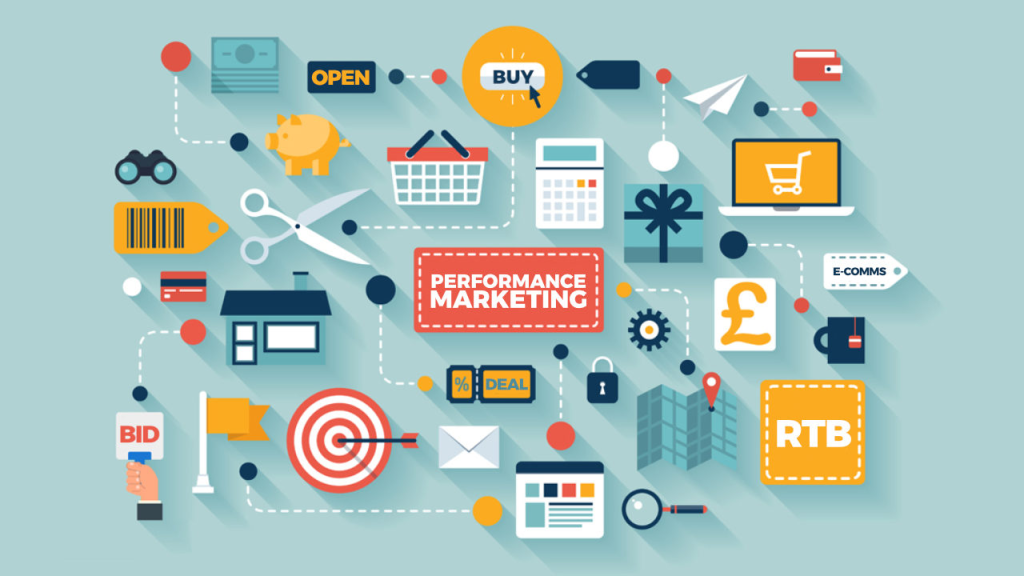
In today’s data-driven world, performance marketing has emerged as one of the most effective approaches for businesses aiming to optimize ad spend and achieve measurable outcomes. Unlike traditional marketing, performance marketing focuses on specific, trackable actions, such as clicks, leads, sales, or other valuable conversions. In this guide, we’ll dive into what performance marketing is, its benefits, strategies, and tips for building a successful performance-driven campaign.
What is Performance Marketing?
Performance marketing is a type of digital advertising in which advertisers pay only when specific actions are completed. These actions could range from clicks on an ad, installs of an app, or completed purchases on an e-commerce platform. Performance marketing puts the emphasis on measurable results, making it highly attractive for companies looking to maximize their return on investment (ROI).
How Does It Differ from Traditional Marketing?
In traditional marketing, advertisers often pay upfront with no guarantee of results. Performance marketing, on the other hand, uses a pay-for-performance model, where payment is tied directly to actions or conversions. This allows companies to track their spending closely and only invest in activities that drive real, measurable results.
The Key Components of Performance Marketing
Performance marketing spans various digital channels and tactics, each playing a crucial role in driving results:
- Search Engine Marketing (SEM)
- SEM includes pay-per-click (PPC) ads that appear on search engines like Google or Bing. Advertisers bid on keywords, paying when users click their ads, which are typically designed to generate conversions or website visits.
- Social Media Advertising
- Platforms like Facebook, Instagram, LinkedIn, and Twitter allow highly targeted advertising, where brands can pay for actions like clicks, engagements, or video views. Social media advertising offers robust targeting options to reach specific audiences.
- Affiliate Marketing
- In affiliate marketing, companies partner with affiliates (individuals or businesses) who promote their products or services. Affiliates earn commissions for driving conversions, which can include sales, leads, or clicks.
- Native Advertising
- Native ads appear in a way that blends with the content on a platform (e.g., sponsored articles or promoted listings). This type of advertising can be highly effective for driving conversions as it aligns naturally with the user experience.
- Programmatic Advertising
- Programmatic advertising uses automated systems to buy and place ads across digital platforms in real-time. It allows for precision targeting, often based on demographics, interests, or behaviors.
- Email Marketing
- Performance marketing can also include targeted email campaigns, where brands pay for measurable actions such as clicks on call-to-action buttons or responses to offers.
Benefits of Performance Marketing
- Measurable ROI
- Performance marketing offers transparent tracking, allowing businesses to measure ROI on each campaign and make adjustments as needed.
- Cost-Effectiveness
- Since advertisers only pay when desired actions are taken, performance marketing can be highly cost-effective compared to traditional methods.
- Targeted Audience Reach
- With options for precise audience targeting, performance marketing ensures ads are shown to users who are most likely to convert.
- Flexibility & Scalability
- Campaigns can be easily adjusted or scaled up based on performance metrics, allowing marketers to allocate resources to what’s working best.
- Real-Time Data & Insights
- Real-time reporting tools provide insights into which ads and channels are performing well, enabling quick decision-making.
Key Strategies for Success in Performance Marketing
- Set Clear Goals and KPIs
- Define what you want to achieve with each campaign, whether it’s increased website traffic, more sales, or lead generation. Set clear key performance indicators (KPIs) to measure success.
- Know Your Audience
- Use data to understand your target audience’s behaviors, preferences, and needs. Tailor your messaging and creative assets to resonate with them.
- A/B Testing
- Run A/B tests on various elements, such as ad copy, images, CTAs, and landing pages, to determine what drives the highest conversion rates.
- Optimize for Conversion
- Focus on optimizing landing pages, checkout processes, and user flows to ensure that visitors complete desired actions with ease.
- Leverage Retargeting
- Retarget users who have previously interacted with your brand to encourage them to return and convert. Retargeting can be done across social media, search, and programmatic ad platforms.
- Focus on Quality over Quantity
- Rather than maximizing the number of clicks or impressions, aim for quality actions that align with your business goals. Qualified leads or relevant website traffic will deliver better long-term results.
- Utilize Data Analytics
- Regularly review data to understand what’s working and where there’s room for improvement. Use tools like Google Analytics, Facebook Ads Manager, or dedicated performance marketing platforms to analyze results and refine strategies.
- Diversify Channels
- Experiment with different channels to find out which ones drive the best results. Don’t rely solely on one platform; instead, create a balanced strategy using a mix of search, social media, and affiliate channels.
Conclusion
Performance marketing is a powerful approach for businesses looking to maximize their advertising budget and drive measurable results. By setting clear goals, optimizing campaigns, and closely monitoring performance, you can build a successful performance marketing strategy that scales with your business. Whether you’re focusing on PPC, social media ads, or affiliate marketing, the key to success lies in staying data-driven, agile, and focused on delivering real value to your target audience. Embrace performance marketing, and turn your digital ad spend into a well-oiled engine for growth and revenue.